
C700 Series Bellow-sealed Control Valve
Datasheet
Download datasheet (PDF)Specifications are indicative. Final specification is confirmed at quotation.
Specifications
Confirmed at quote- Size Range
- DN15 to DN300
- Pressure Class
- PN16, PN25, PN40, PN63, PN100, Class 150, Class 300, Class 600
- End connection
- Flanged
- Operating temperature
- -45°C to 350°C, by material
Configure your variant(manually adjust box on the right if you require a different spec)
- Size
- Pressure
- End connection
Materials
All available material options per part. Click a pill to set it in the configurator.
- Body
Temperature by material
The temperature limit follows the material grade, so the range above spans every grade offered rather than any one build. Confirmed at quotation.
- High Temperature Type EIother
- 230°C to 350°C (High Temperature Type EI)
- Normal Temperature Type Pother
- -17°C to 230°C (Normal Temperature Type P)
- Low Temperature Type LE-Iother
- -45°C to -17°C (Low Temperature Type LE-I)
Operating media
Typical applications
- Petroleum industry automatic control systems
- Chemical engineering automatic control systems
- Metallurgy automatic control systems
- Handling of highly toxic, strongly corrosive, radioactive, and rare precious media
Actuation options
Features
- Metal bellows used as the dynamic sealing element, replacing traditional packing seal
- Bellows completely isolates valve stem from medium, preventing leakage through valve stem outer surface
- Metal bellows capable of withstanding high pressure with stable sealing performance
- No packing friction; low valve stem movement resistance, improving adjustment accuracy and response speed
- Eliminates risk of valve stem jamming caused by particle ingress or packing hardening
- S-flow channel passage in valve body for low pressure drop loss and high flow rate
- Wide adjustable ratio and high flow characteristic accuracy
- CSW701/CW701: top-guided single-seat structure
- CW702/CLW702: pressure-balanced cage-guided structure
- CLW702: additional sealing ring between plug and valve cage for reduced leakage
- Compatible with RSMF series actuators for compact structure, large output force, and long service life
Description
A series of bellows-sealed control valves comprising single-seat (top-guided), cage-guided (pressure-balanced), and low-leakage cage-guided variants. All variants employ a metal bellows as the primary dynamic sealing element, completely isolating the valve stem from the medium to eliminate external leakage. The valve body incorporates an S-flow channel passage for reduced pressure drop loss and wide adjustable ratio.
Selection notes
This control valve is a bellows-sealed single-seat, bellows-sealed cage-guided and low-leakage bellows-sealed cage-guided pattern, supplied for flanged installation.
Sizes run DN15 to DN300, in PN16, PN25, PN40, PN63, PN100, Class 150, Class 300, Class 600.
The body is offered in WCB, CF8, CF8M and CF3, so the grade can be matched to the service rather than the other way round.
Stated service media include highly toxic media, strongly corrosive media, radioactive media and rare and precious media.
Working temperature is -45°C to 350°C, by material.
Available pressure classes
Pressure classes this product is rated to.
Related guides
Smart find
Searches our product catalogue using your spec. Drop a spec sheet or parts list (PDF, Excel, CSV, Word or text, several at once), paste a description or a part number and we'll find the closest matches for each. Anything we can't match goes to your RFQ as a custom enquiry for our team to source.Linear Series configurations
View full Linear Series system →C700 Series Single-seat Control Valve
DN15 to DN300
C700 Series Cage-guided Control Valve
DN25 to DN700
Axial Flow Control Valve
DN50 to DN1200
C700 Series Angle Control Valve
DN40 to DN300
C700 Series Specialty Control Valve
DN15 to DN300
CHM703 High-Pressure, High-Temperature, Multi-Stage Pressure-Reducing Control Valve
DN25 to DN450
C700 Series Low-Noise Control Valve
DN25 to DN700
Related Control Valves
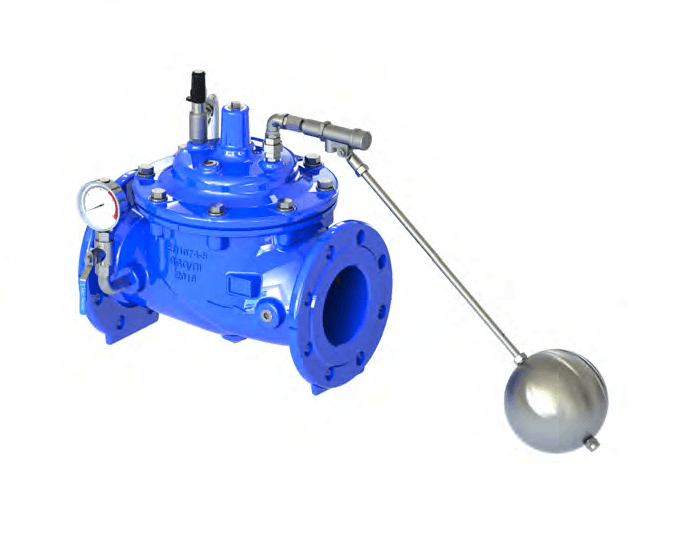 Control ValveREF 344
A100 Modulating Float Control Valve
- Type
- Control Valve
- Size
- DN50 to DN800
- Pressure
- PN10, PN16, PN25
- Body
- EN-GJS-500-7
- Standards
- EN 1074-5, BS EN 1074-5
Adds to your quote request, not a purchase. Refine size, pressure and material before submitting.
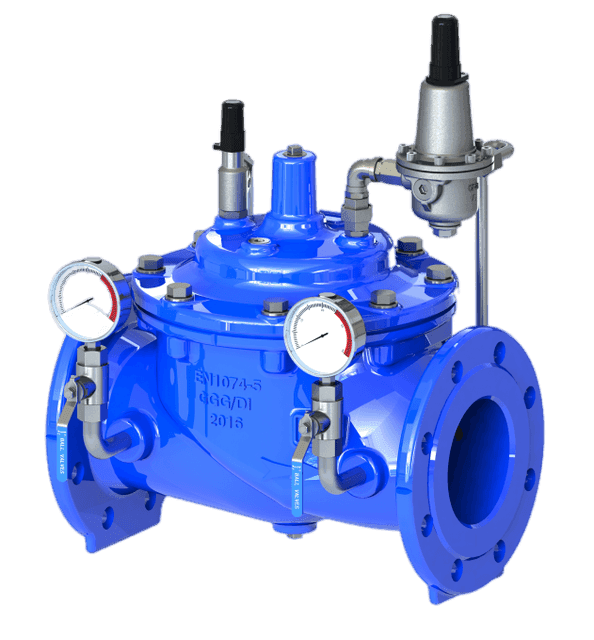 Control ValveREF 345
A200 Pressure Reducing Valve
- Type
- Control Valve
- Size
- DN50 to DN800
- Pressure
- PN10, PN16, PN25
- Body
- EN-GJS-500-7
- Standards
- EN 1074-5, BS EN 1074-5
Adds to your quote request, not a purchase. Refine size, pressure and material before submitting.
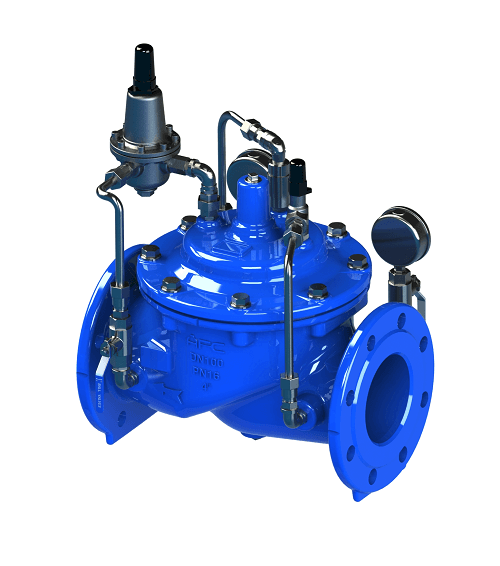 Control ValveREF 346
A203 Pressure Reducing with Check Valve
- Type
- Control Valve
- Size
- DN50 to DN800
- Pressure
- PN10, PN16, PN25
- Body
- EN-GJS-500-7
- Standards
- BS EN 1074-5, BS EN 558-1
Adds to your quote request, not a purchase. Refine size, pressure and material before submitting.
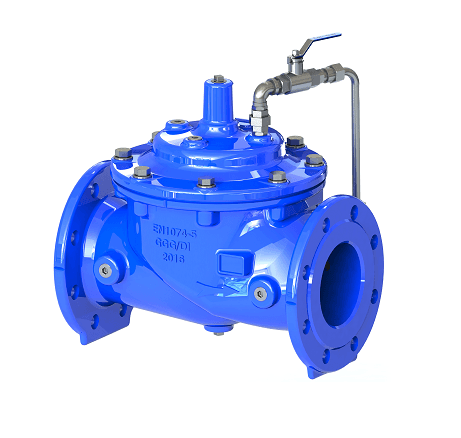 Control ValveREF 347
A300 Slow Control Check Valve
- Type
- Control Valve
- Size
- DN50 to DN800
- Pressure
- PN10, PN16, PN25
- Body
- EN-GJS-500-7
- Standards
- EN 1074-5, BS EN 1074-5
Adds to your quote request, not a purchase. Refine size, pressure and material before submitting.